Maybe you saw the new Netflix documentary, The Plastic Detox, or maybe you’ve read one or more of the many news articles announcing that scientists have found microplastics and nanoplastics in the human brain, lungs, blood, placenta, arteries, breastmilk, stomachs, intestines, and more. Either way, it’s clear that microplastics—defined as tiny pieces of plastic less than 5 millimeters in size (or smaller than a grain of rice)—are officially everywhere. Did you realize that plastics can contain more than 16,000 different chemicals, more than a quarter of which are toxic to humans and the environment?
Scientists have found these tiny particles of plastic in the air, water, snow, the deepest point of the ocean, and the highest peak on Earth, as well as in every part of the human body they’ve had a chance to examine. Microplastics have been linked to serious human health risks, including heart attack, stroke, early death, clogged arteries, cellular inflammation, infertility, and neurodegenerative conditions like Parkinson’s disease.
Here are some tips to reduce your exposure to toxic microplastics to protect your own and your family’s health, followed by some great ways to advance bigger picture solutions to the plastic crisis.
>> Want more tips like these? Sign up here to get emails from The Story of Stuff Project. <<
1. De-Plastic Your Kitchen
Food preparation and storage methods can be a major source of microplastic contamination. Fortunately, you can make some simple shifts to reduce the amount of microplastics entering your food and drink.
- Get rid of plastic cutting boards. Each time your knife hits that plastic board, you’re adding teeny tiny bits of plastic to the food you’re preparing. Switch to a wooden or bamboo cutting board.
- Ditch plastic food storage. Storing food in plastic can slowly leach chemicals into the contents, especially in the presence of heat, as the plastic ages and gets brittle, or if the contents are high in fat or acid. Switch to glass, stainless steel, or ceramic food storage containers. If you’re just storing food in the fridge, you can also put the whole pot in there with the lid on, or store half an onion or an avocado or piece of fruit, cut-side down on a ceramic or glass plate.
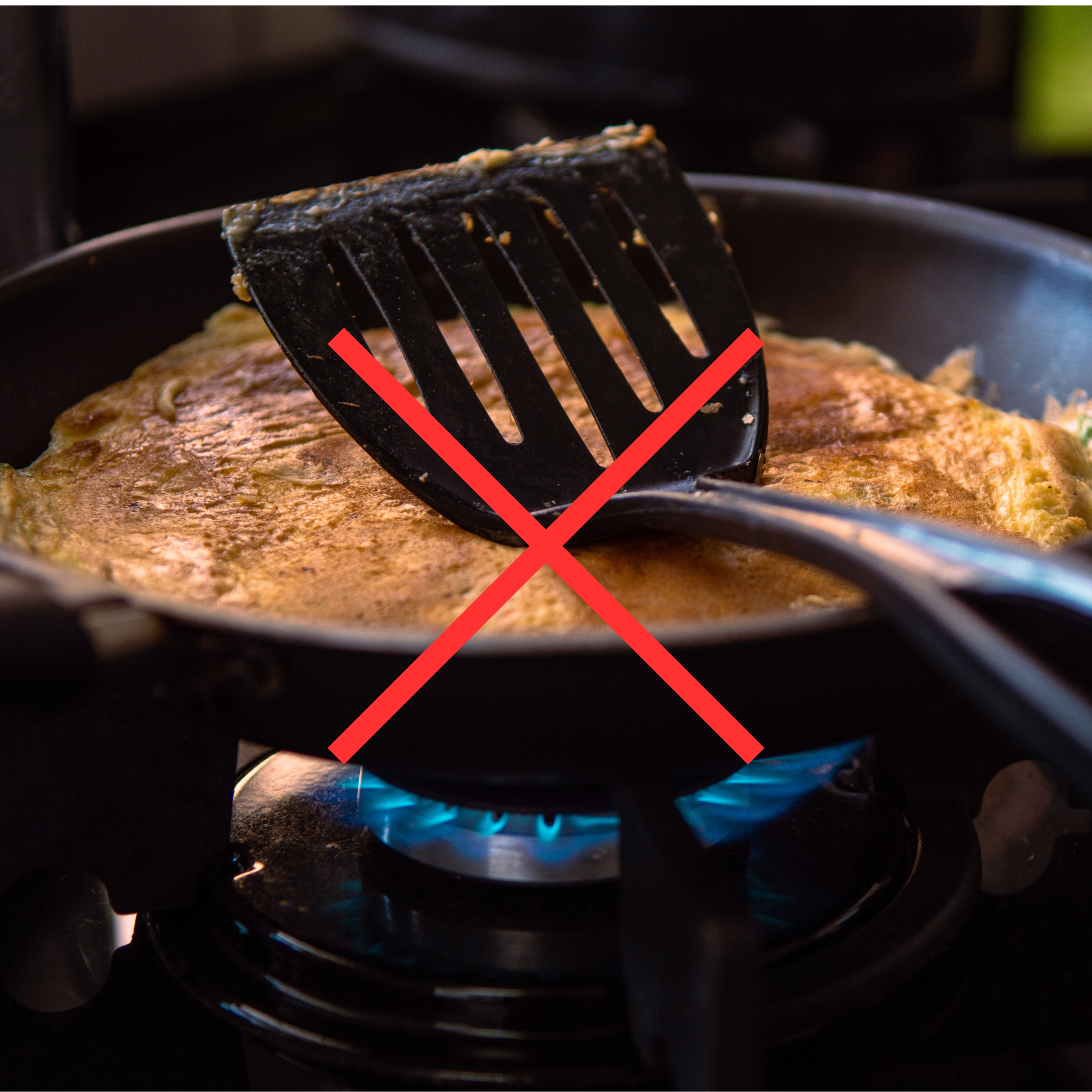
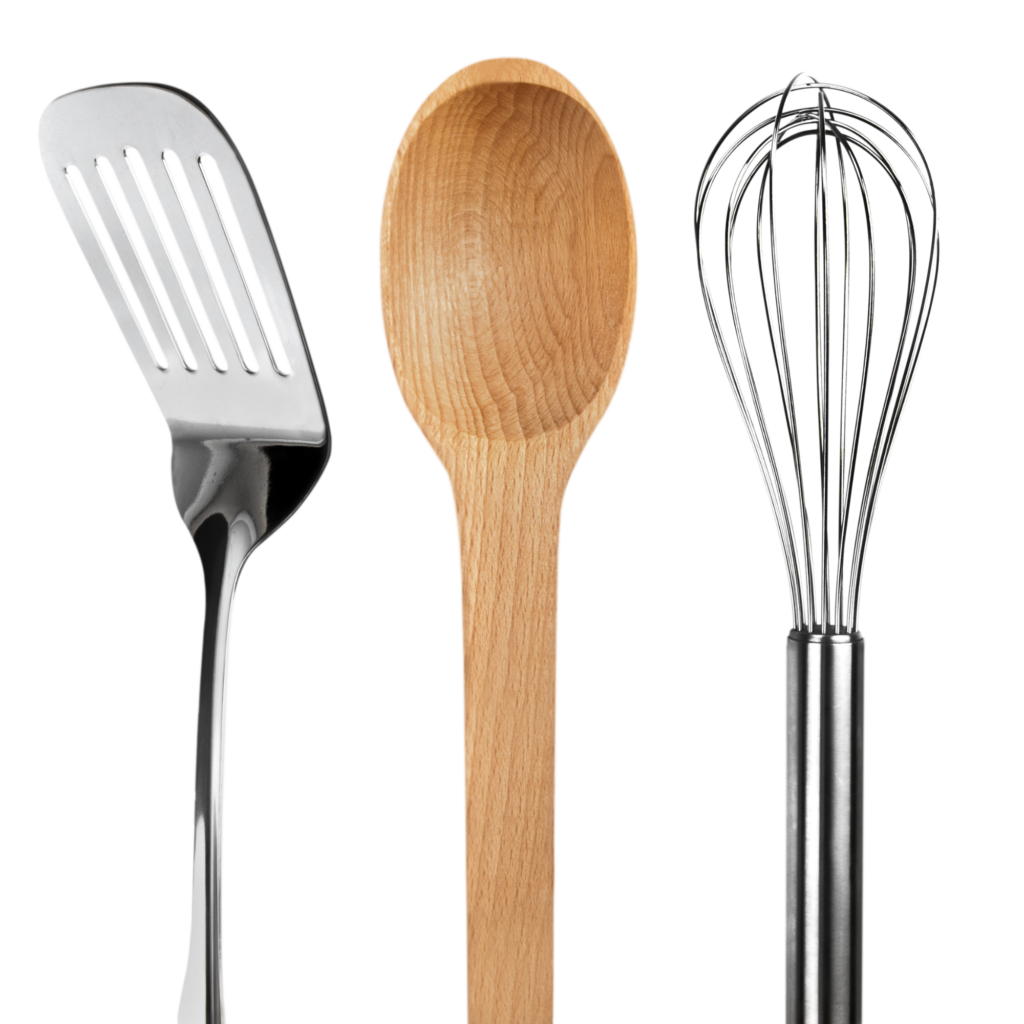
- Skip plastic cooking spoons, spatulas, etc. Heat makes plastic melt and/or leach chemicals so stirring a hot pan with a plastic spatula is a very bad idea. Use a wooden spoon or metal spatula instead.
- No more non-stick cookware. The thing that makes pans and pots non-stick is a coating of chemicals. Even if the cookware is advertised as PFAS-free, chances are pretty good the manufacturer has used some other chemical that may be toxic to your health. (Un)fun fact: in America, chemicals are presumed innocent until proven guilty, they do not undergo testing for safety prior to being released to market. Instead, consumers serve as the test subjects. Replace your non-stick cookware with stainless steel or cast iron cookware.
- Get rid of cling wrap. You can store leftovers in glass containers with tight fitting lids, you can use aluminum foil over top of a bowl, or get (or make if you’re feeling crafty) a set of beeswax coated fabric bowl covers.
- Drop the scrubby sponge. As your scrubby sponge ages, that green or blue plastic part of the sponges starts to shed lots and lots of tiny little plastic particles. Switch to an all-cellulose sponge.
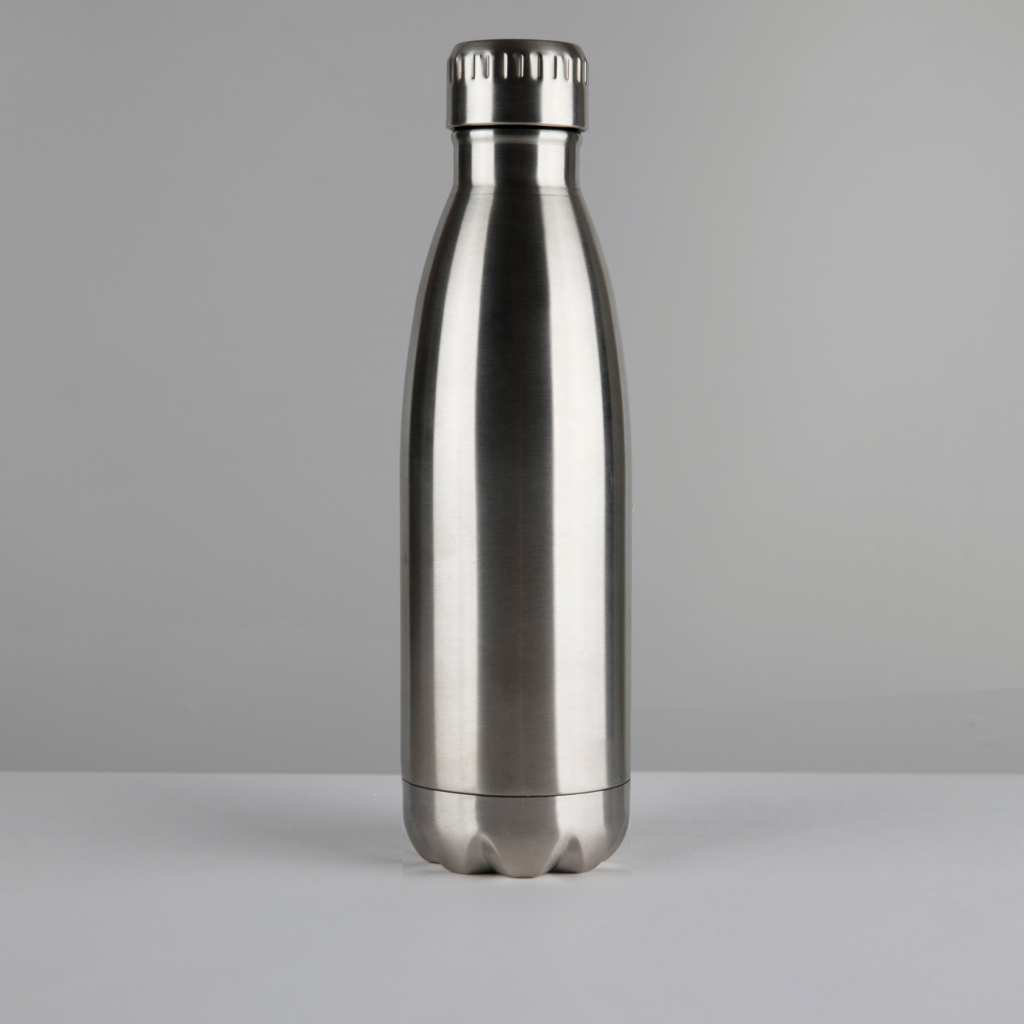
- Rethink your tap vs. bottled water: Believe it or not, bottled water often contains significantly more microplastics than tap water. Stick with tap water—filtered with a quality home unit if needed—and carry it in a metal or glass refillable bottle.

2. STOP Heating Plastic
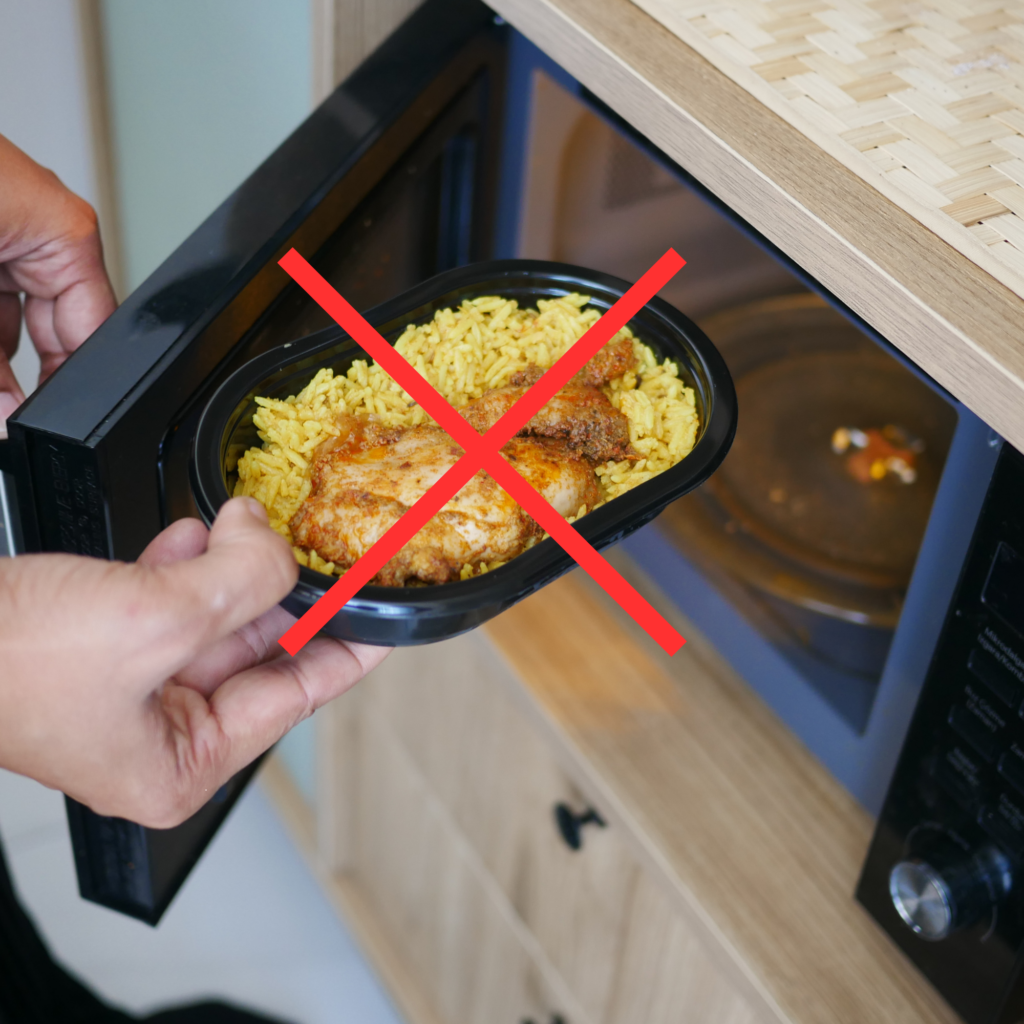
Heat + plastic + anything going in or on your body is a bad combo. When plastic containers are heated, they break down and release millions of microscopic plastic particles straight into your food and drink.
- Never microwave food in plastic: Always transfer your meals to a glass container or ceramic plate before heating them up.
- Keep plastic out of the dishwasher. High heat and harsh detergents cause plastic items to shed particles rapidly which then go into your waste water and may also remain on your dishes.
- Do not drink hot beverages or foods out of plastic mugs and dishes. Opt for a ceramic mug or bowl, instead. This is another good reason to bring your own mug to the coffee shop as those polystyrene to-go cups are made with toxic chemicals and even paper hot cups are coated with a layer of plastic to help prevent leakage. Combined with a piping hot beverage, that means you’re drinking yucky stuff along with your latte or tea.
- Stay cool when washing synthetics: Synthetic fabrics like polyester, nylon, viscose, rayon, and elastane shed microfibers every time they are washed and dried. We know it’s next to impossible to avoid synthetic clothing but do try to cut back on it and make sure to wash synthetic clothes in cold water, line dry them when you can, or use the cool setting on your dryer. And while it’s not heat-related, while we’re talking about laundry, try using 100% wool dryer balls instead of single-use, plastic-based dryer sheets or liquid softeners.


3. Choose Natural Fibers
We spend hours wrapped in our bedsheets, sitting on our furniture, and wearing clothing made from synthetic fabrics like polyester, nylon, acrylic, and spandex—which are all just different names for plastic.
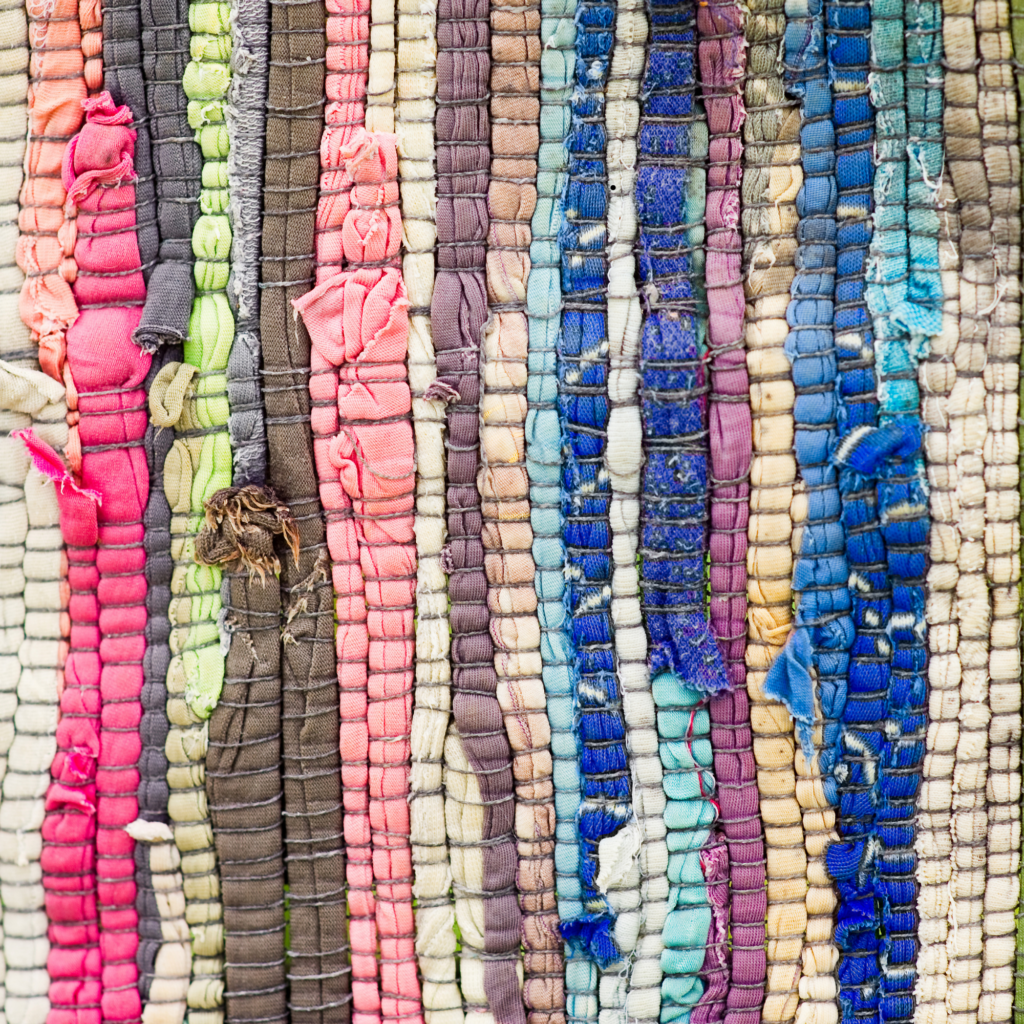
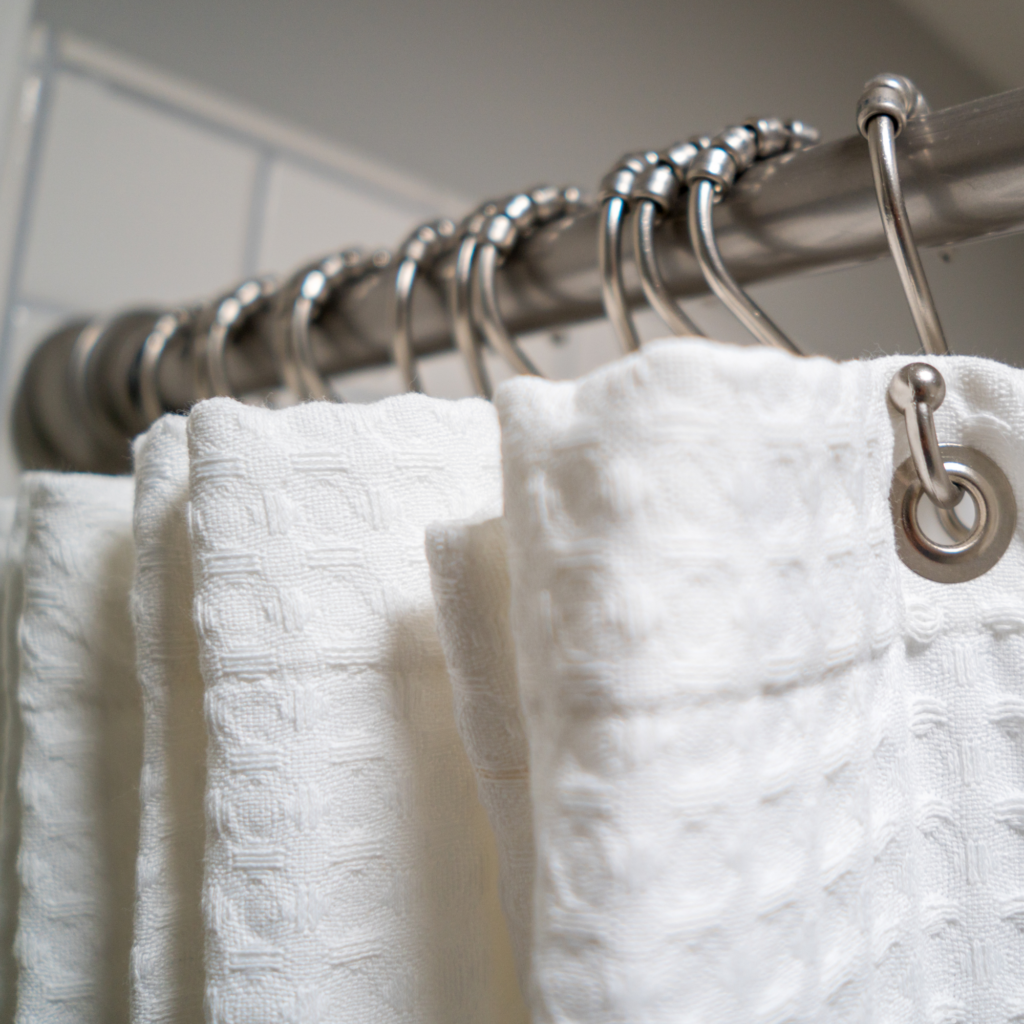
- Bed, bath, & beyond. Look for sheets, bath towels, kitchen towels, washcloths, and rugs made from cotton, linen, wool, jute and hemp. Swap out your vinyl (PVC) shower curtain for one made of cotton or linen, or, if you’re ever renovating your bathroom, switch to a glassed in shower.
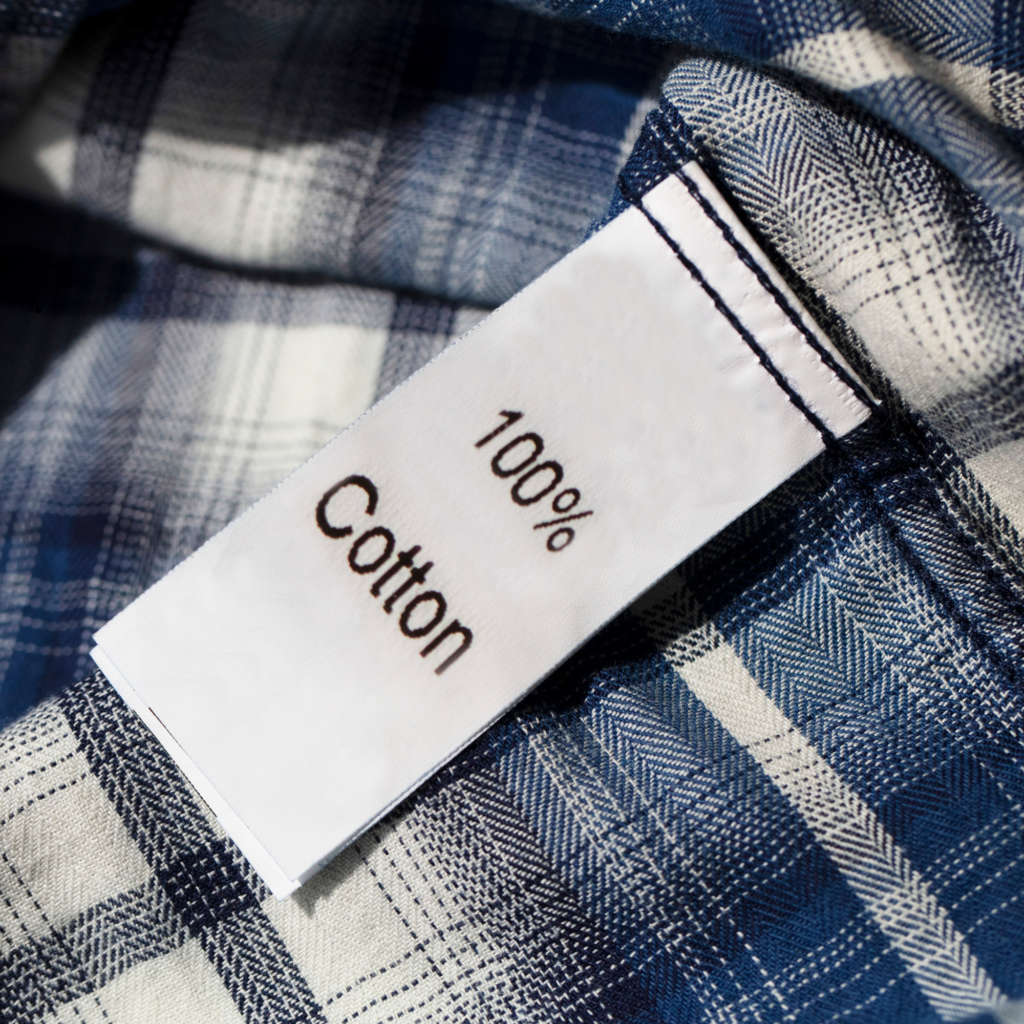
- Replace clothing with natural fibers. Look for clothing made from 100% natural materials like cotton, linen, hemp, and wool. You may have better luck finding 100% natural fiber clothing at thrift stores and on resale sites like ThredUp, Poshmark, and eBay as manufacturers have increasingly switched to synthetics in recent years.
4. TAKE CARE with KIDS’ Toys, DISHES, CUPS, ETC.
Children are especially vulnerable to chemical exposure and microplastics because their bodies are still developing, and let’s face it—everything goes straight into their mouths!
- Prioritize natural materials early: Choose wooden, organic cotton, or natural rubber toys and gear as much as you can, especially during pregnancy and your child’s first two years.
- Ditch plastic baby bottles and dishes: Opt for glass or stainless steel bottles and ceramic or silicone dishes to avoid leaching toxins during feeding times. If you’re pumping and need to freeze breast milk, consider freezing it in a metal ice cube tray and then transferring it to a glass container for storage (far less convenient but much safer.)
- Don’t fall for the convenience of baby food pouches. Storing baby food in a plastic pouch and having the little one suck on a plastic tube to eat the food may not be the best idea. Fortunately, if you are buying baby food, it’s still available in good old glass jars which you can recycle or clean and use to store small items like paper clips, push pins, etc.
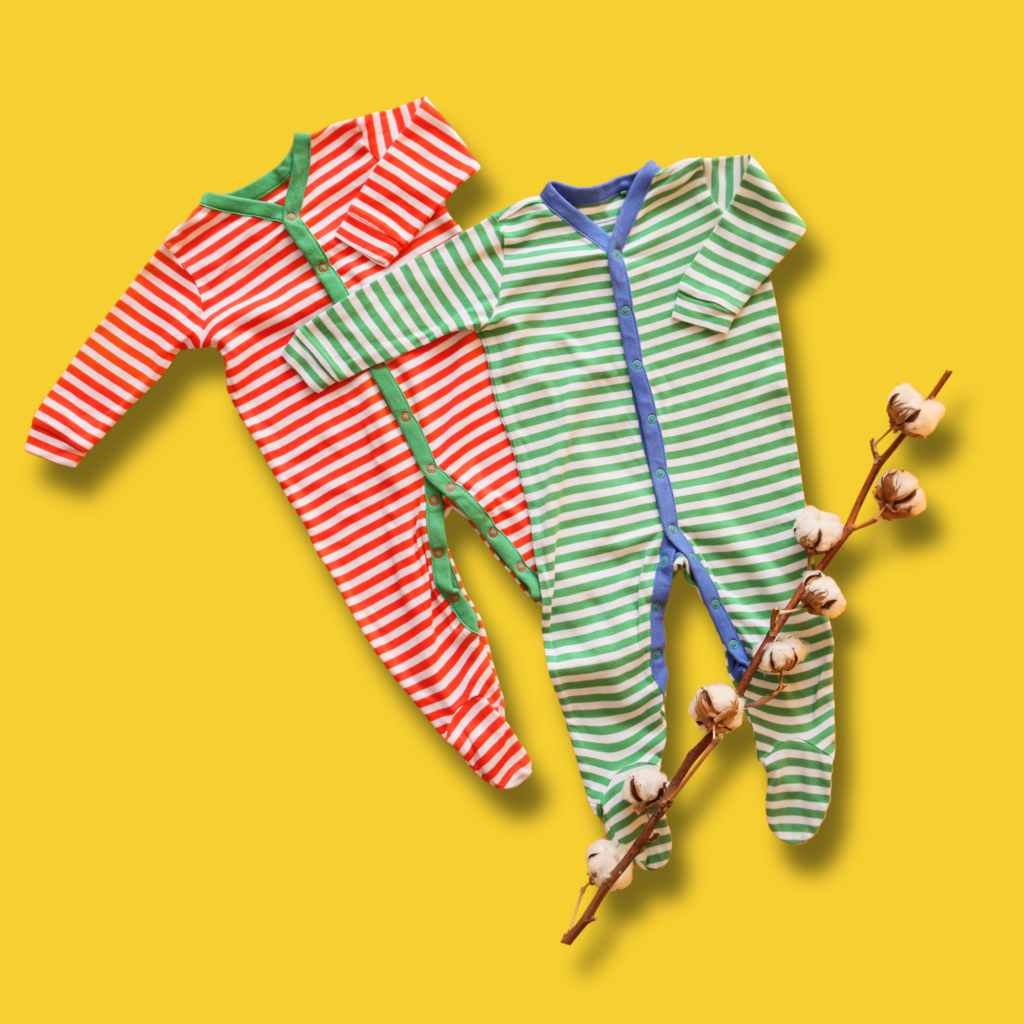
- Search out natural fibers for your wee one’s wardrobe. Seek out 100% cotton, linen, hemp and wool clothing options. Fortunately, more companies have sprung up to offer these items in the last few years.


5. Rethink Food & Fragrances & TACKLE Dust
Microplastics don’t just enter our bodies from the containers we use; they also creep in through processed ingredients and the air we breathe indoors.
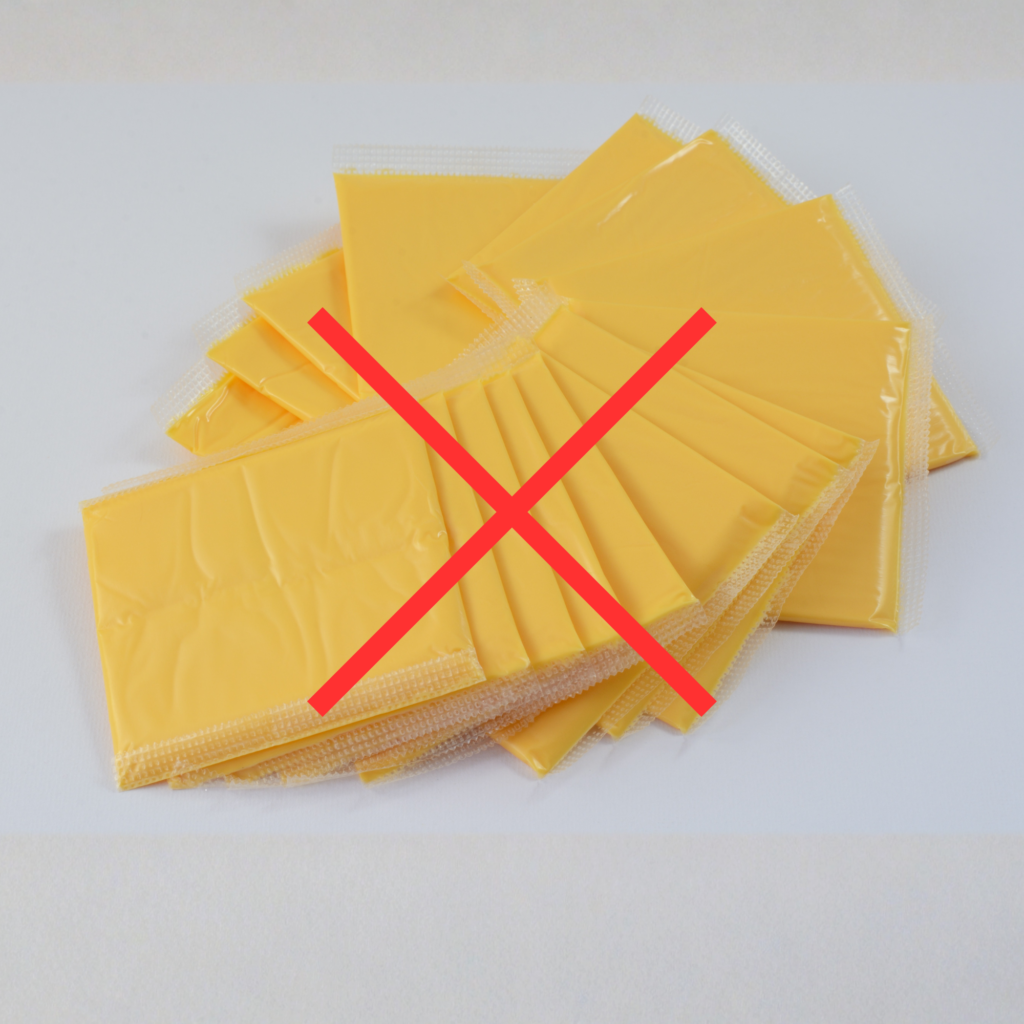
- Limit ultra-processed and fast foods: Highly processed foods go through extensive plastic tubing, machinery, and heavy packaging, leading to higher microplastic counts. Choosing fresh, whole foods reduces your exposure to both microplastics and food-packaging chemicals.
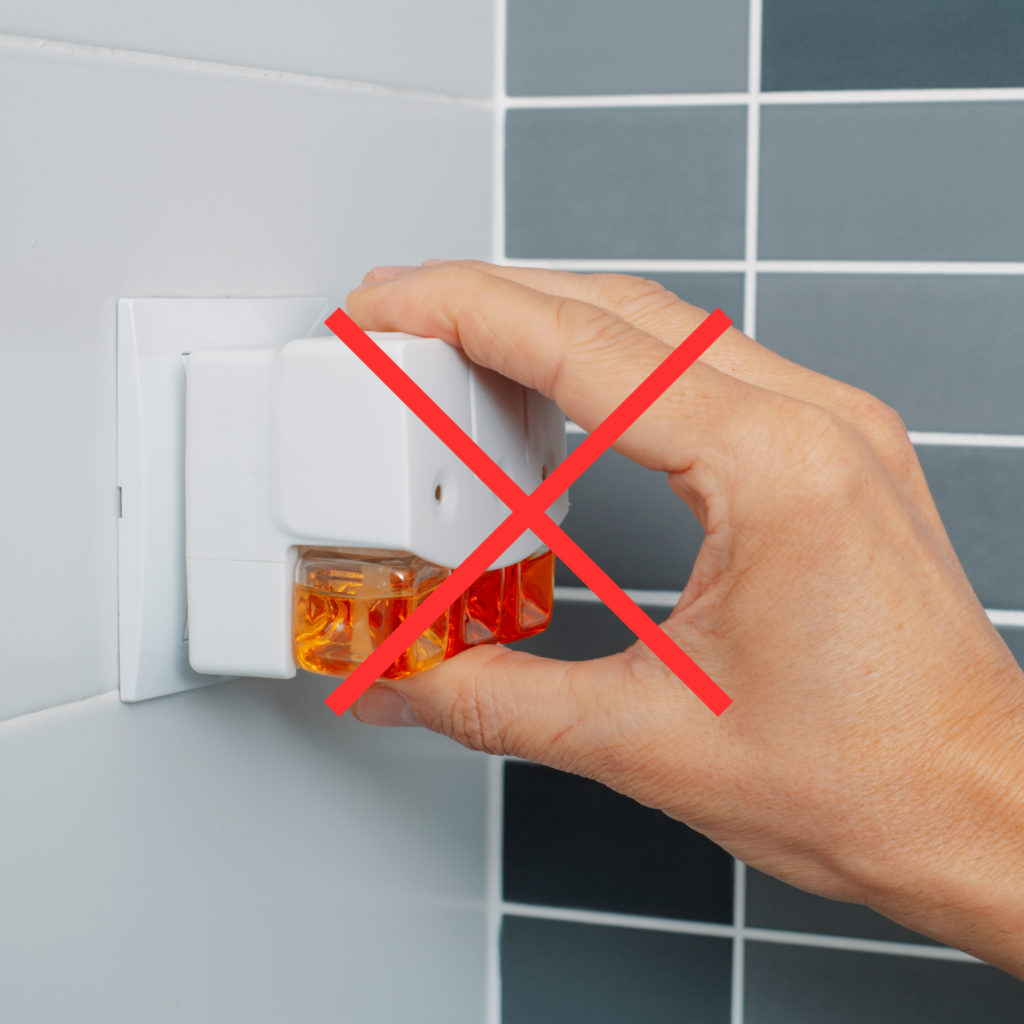
- Cut back on artificial fragrances: Synthetic scents in air fresheners, cleaning products, fabric softeners, detergents, and personal care items often rely on toxic plasticizers like phthalates. Opt for unscented, plant-based, or naturally scented products instead.
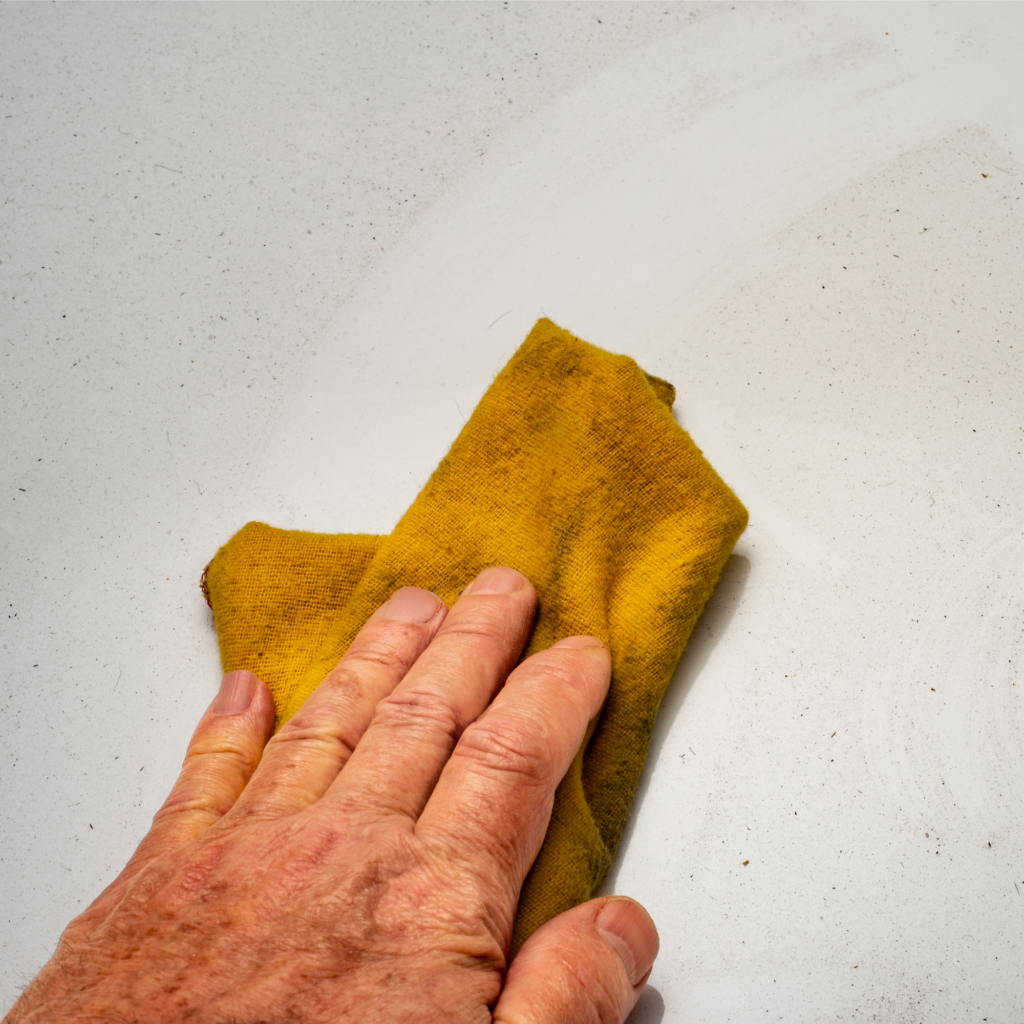
- Keep indoor dust under control: Microplastic fibers float in the air and settle as dust on floors and furniture. Wipe down surfaces regularly with a damp cotton cloth (avoid synthetic microfiber cloths, which shed more plastic!) to remove dust particles safely. Cotton t-shirts with holes in them, old sheets that are past their prime, former burp cloths, and more all make excellent dust rags.
TAKE ACTION TO HELP CREATE Systemic Change!
Taking steps to protect yourself and your family at home is important and empowering, but we hope it’s just the beginning for you as we need your help to solve the global plastic pollution crisis. As part of our crazy economic system that relies on all of us buying tons of things and getting rid of them at lightning speed so we can buy tons more things, etc., the plastic industry manufactures hundreds of millions of tons of plastic every single year. All that plastic tends to be used very briefly, for minutes at a time, then left to pollute the planet for centuries, breaking down into smaller and smaller pieces that find their way into soil, drinking water, the ocean, the food chain, and all of our bodies. BLECH, right?
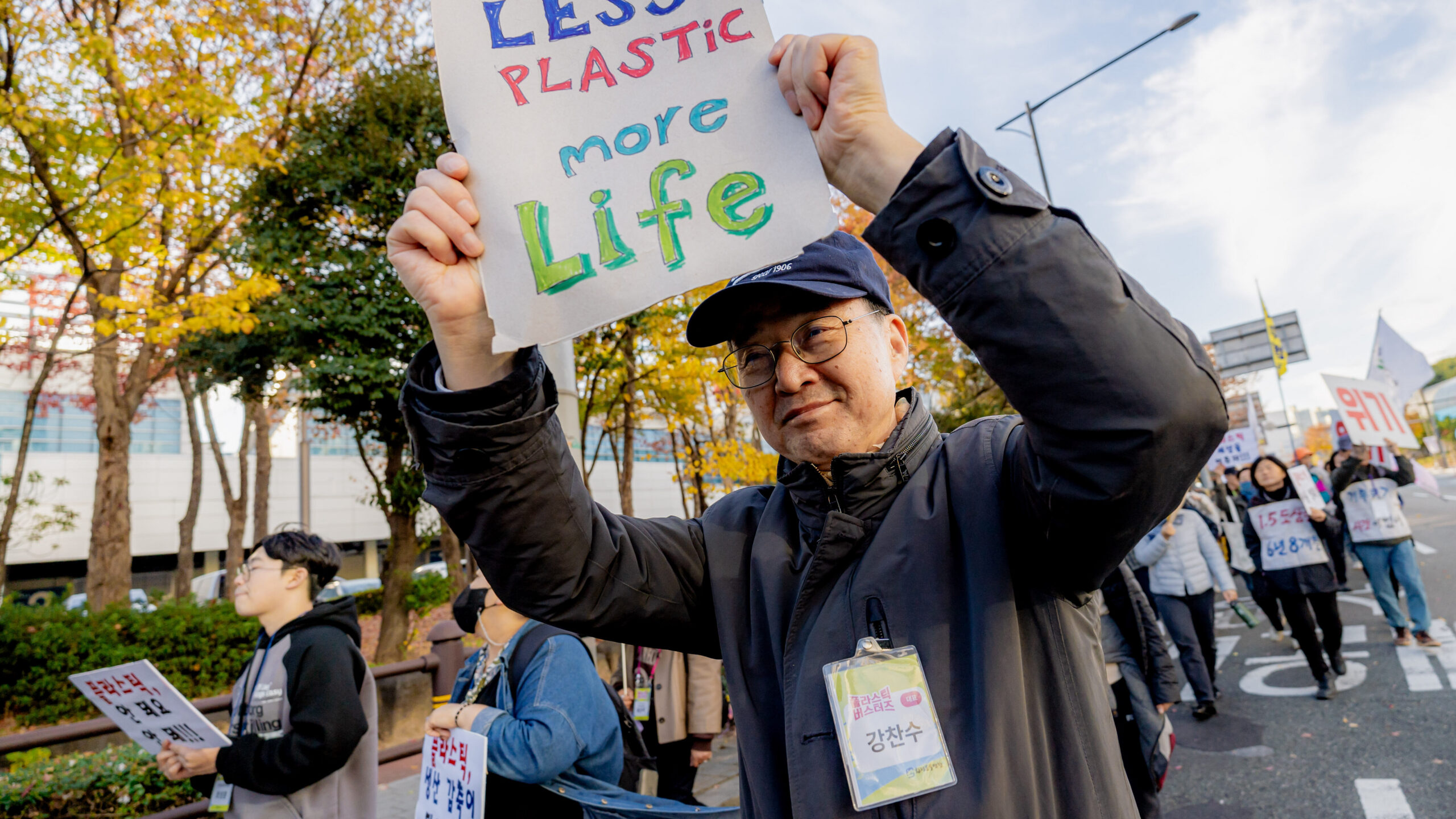
If we want to stop microplastics at the source, we need to STOP MAKING SO MUCH PLASTIC! Here are two ways you can help create a plastic-free future:
Demand a Strong Global Plastics Treaty
World leaders are negotiating a historic UN Global Plastics Treaty. We need an ambitious agreement that caps and reduces raw plastic production, eliminates toxic additives, and mandates a transition to reuse. Join us in calling for a strong Plastic Treaty to protect our health & environment.
P.S. Have a suggestion we’ve missed for cutting plastic out of your daily routine? We’d love to hear about it! Please share it on social media and tag us on Instagram, Facebook, TikTok, LinkedIn, YouTube, or X or email us about it at info [at] storyofstuff [dot] org.
GET TIPS
Want more tips and guidance for living a sustainable life filled with less Stuff and more of what really matters – like health, joy, and connection? Sign up below to receive our emails.
Rest assured that we will never rent, sell, or exchange your address without your permission and you can unsubscribe at any time. View our privacy policy.