Every fall, a fresh wave of plastic and plastic-wrapped supplies, fast-fashion clothing and sneakers, backpacks, and lunchboxes flows into our homes. Within a few months to a year, most of it pours right back out again to end up in the landfill or incinerator. It’s not your fault, it’s just another result of our broken economic system that relies on creating ever more cheap stuff that’s intentionally designed to be used briefly and trashed, rather than repaired, handed down, or reused.
The good news is that back-to-school season doesn’t have to be that way!
Here’s you can opt out of the throwaway culture to save money, conserve resources, keep goods and packaging out of the landfill, and get your kids thinking critically about where their Stuff comes from — and where it goes.
>>Want more tips like these? Sign up here to get emails from The Story of Stuff Project.
1. Build a Reusable Lunch Kit That Lasts for Years
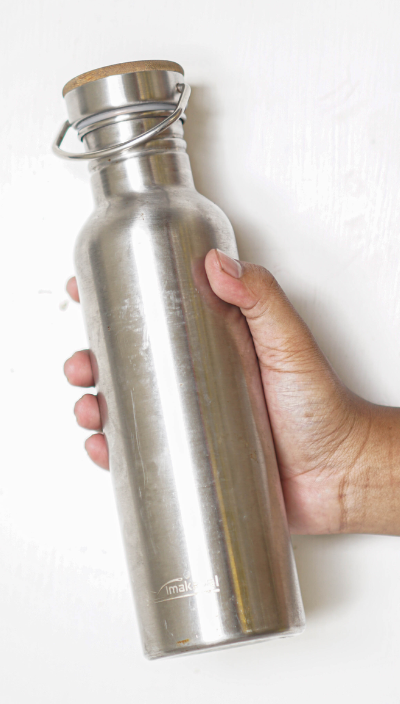
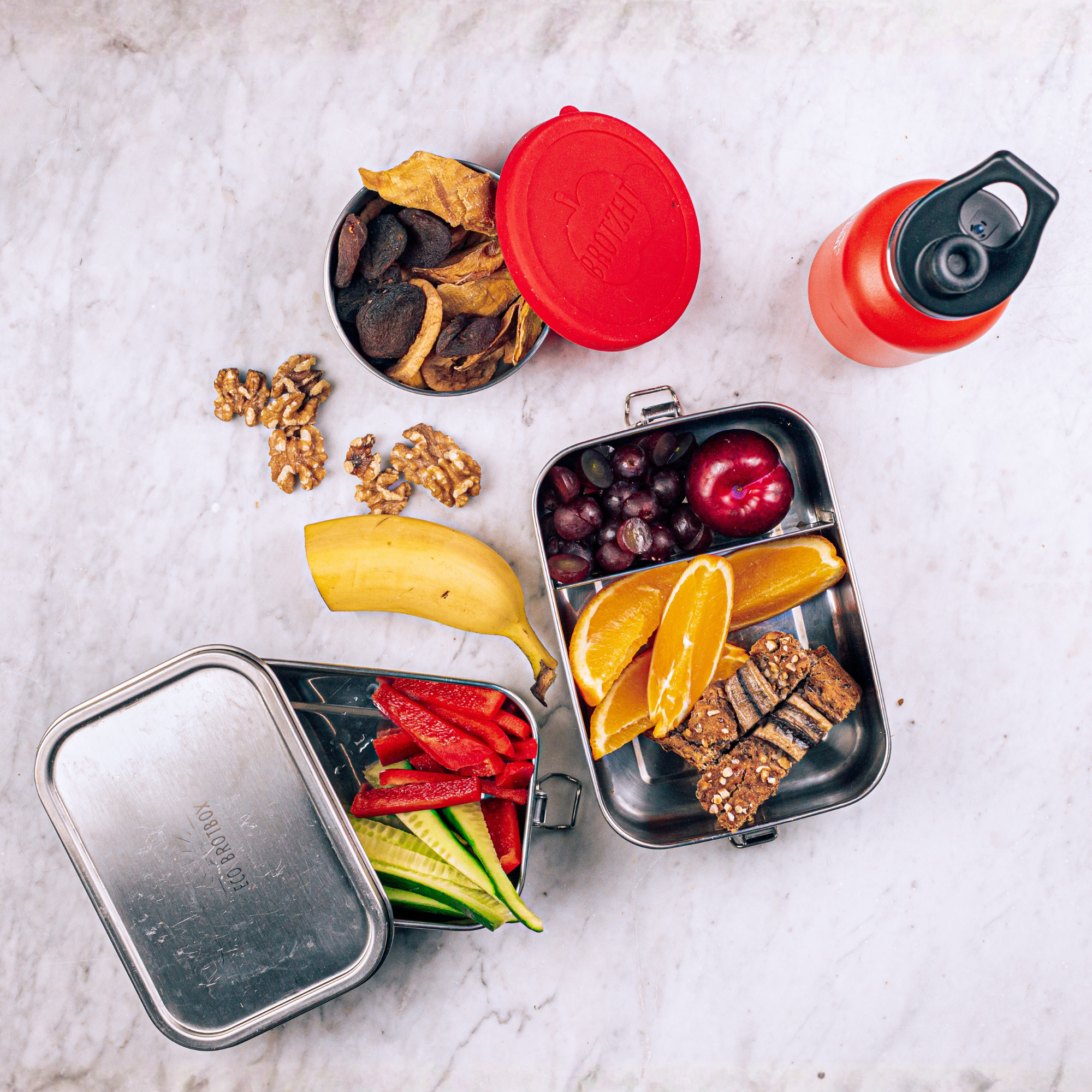
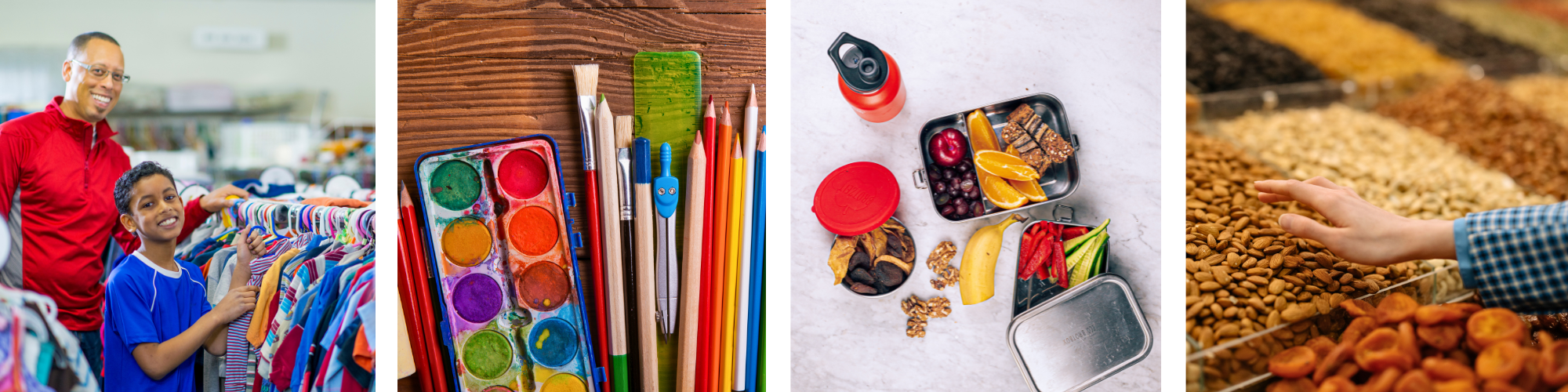
Lunchboxes, water bottles, and snack bags are some of the most disposed-of items in a kid’s daily life. A durable, reusable lunch kit breaks that cycle — and it usually pays for itself within a semester. Your goals are simple: keep your kid’s belly full and your garbage empty!
- A real water bottle. Stainless steel holds up to backpacks, lockers, and drops far better than anything disposable. Skip “reusable” plastic bottles too — they still shed microplastics and don’t last.
- Cutlery that comes home instead of getting tossed. A simple set of metal or bamboo utensils means one less thing bought new, over and over. You could invest in a set that fits in a little pouch or just slip a fork or spoon into their lunch bag.
- Metal containers for snacks and sandwiches. They outlast plastic by years and keep food out of single-use bags entirely.
- Cloth or wax wraps instead of plastic wrap and baggies. Washable, reusable, and just as easy to pack.
- Washable/wipeable lunch bag or box. Spills and crumbs are inevitable so pick something you can clean that is also durable and will last a good long while.
There are more and more options available to help you build a sturdy, non-toxic lunch kit that can be used, washed and used again thousands of times.
2. Shop Local, Buy in Bulk, & LEAN ON LEFTOVERS
Where and how you buy matters as much as what you buy. And you’ve got options!
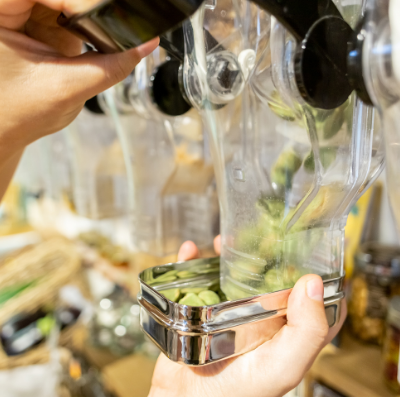
- Support local businesses instead of big-box or online retailers. It keeps money in your community and lets you bring your own bags and containers — something one-click shopping can’t offer.
- Look into a CSA or your local farmers market for snacks and school lunches. Shorter supply chains mean less packaging and less corporate control over what shows up on the shelf.
- Find the bulk bins. Co-ops and local grocers often let you fill your own reusable containers with staples, nuts, and dried fruit — exactly the amount you want and no packaging required.
- Fall in love with leftovers to save you time and money while keeping your kid well-fed. Packed into either a metal container with a secure lid or a glass container with a secure lid (for heating), there’s no additional packaging or cooking required.
Every one of these choices is also a vote against a system built on convenience packaging and long, wasteful supply chains.
3. CHECK Your Shelves Before You GO TO THE Store
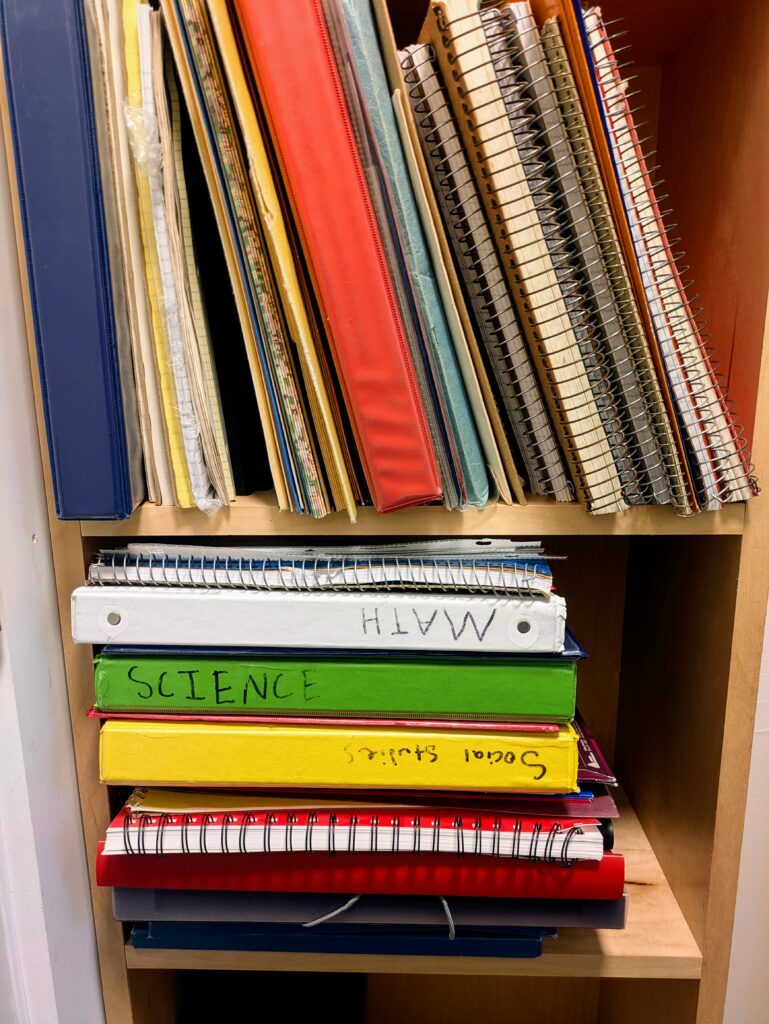
Before you buy anything, take inventory of what’s already in your house. Chances are a good chunk of this year’s school supply list — notebooks, folders, pencils, pens, erasers, highlighters, markers, glue sticks, sketchpads, pencil sharpeners — is just sitting in a drawer or closet from last year, some of it barely used.
If you can’t find an item you need, check your local Buy Nothing group or search Craigslist or Facebook Marketplace to see if someone else has that protractor, graphing calculator, or set of markers your child’s teacher is requesting.
This isn’t just about saving money (though it does that, too). It’s a small, concrete way to push back on a culture that treats “new” as the default, even when “already have it” works just fine.
4. Say “No“ to Fast Fashion & “YES” TO Secondhand
The fast fashion industry is built to be disposable: cheap materials, poor labor conditions, and clothes designed to fall apart so you’ll buy more. Kids’ clothing and gear are especially vulnerable to this cycle since they outgrow everything so quickly anyway. Break the cycle instead:
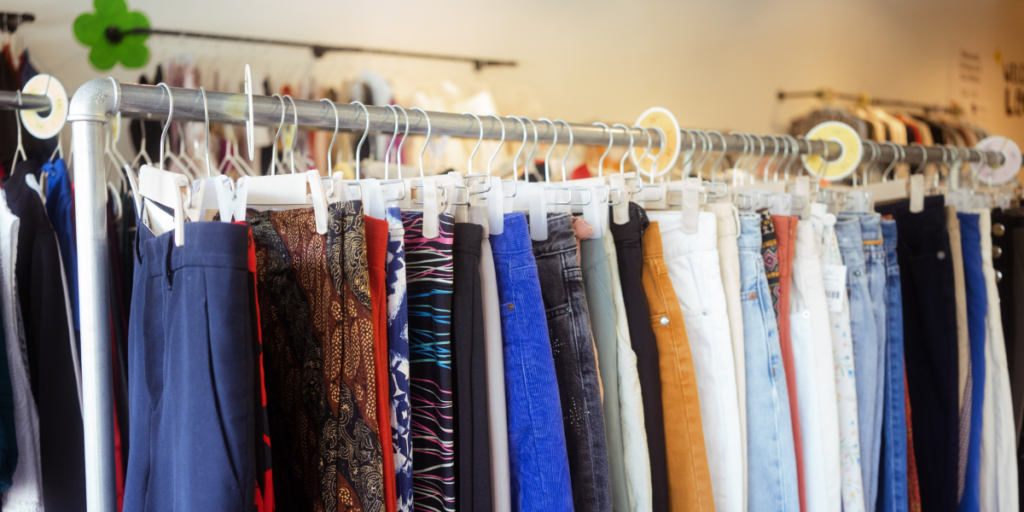
- Thrift and consignment shops — in person or online through platforms like Poshmark, eBay, ThredUp, Mercari, and more — are full of backpacks, shoes, coats, and clothes with plenty of life left, often at a fraction of the cost of fast fashion. In addition to independent thrift stores, many hospitals operate one to generate income, and the Salvation Army and Goodwill are other big names in the second-hand store industry.
- Swap with your community. Hand-me-downs between neighbors, friends, and relatives keep good gear in circulation and out of landfills.
- Join your local Buy Nothing group. These location-based groups are growing in popularity and are also a great way to find good homes for items you no longer need. Check out The Buy Nothing Project to get started.
- Share it forward when your kid outgrows something. Someone else’s closet is better than a landfill. You can start an annual swap with friends and neighbors, post things via your local Buy Nothing group, or just reach out to friends and neighbors when you either have something to pass on or need something specific.
Choosing secondhand and supporting the reuse economy is one of the most direct ways a family can opt out of an industry that depends on constant, wasteful consumption.
5. Talk to Your Kids About Why
Kids absorb the “buy it, use it once, toss it” pattern early — mostly because there’s a staggering amount of marketing dollars devoted to making sure they get this message from the get-go. That’s why it’s so important to model the sustainable alternative for your youngsters.
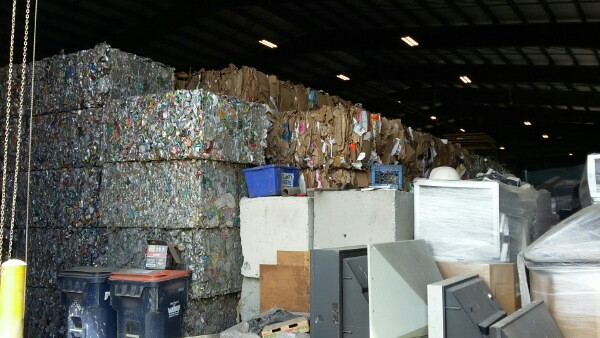
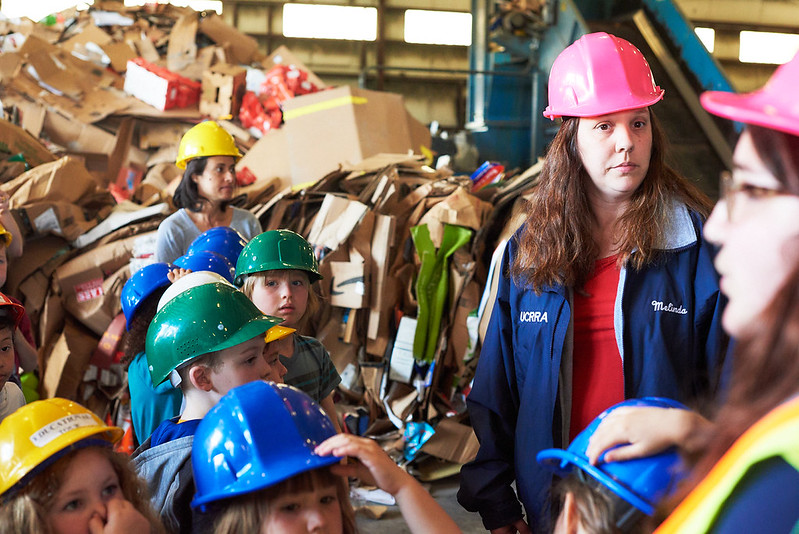
Talk to your kids about why you’re choosing things that are used, reused, or built to last, instead of things made to be thrown away. If you have time before the school year starts, a trip to your local recycling center, transfer station, or landfill can make the “away” in “throwing away” a lot more real — kids remember that stuff doesn’t just disappear.
Pro tip: Help turn this practice into muscle memory by making a celebratory ritual out of reclaiming all their unused school supplies when school ends in the spring!
Put some music on, get them a special treat to congratulate them on a year of hard work and set aside 45 minutes to go through their notebooks, binders and pencils cases together to figure out what needs to be recycled (used paper!), what has to be thrown away (some waste is inevitable), and what can be saved to use again next year. Praise them liberally for their great school work and the fact that they are helping to protect the planet throughout.
This is how you raise a kid who questions the throwaway economy instead of accepting it as normal — someone who reuses first, says a big loud “no!” to single-use, and pushes back on a system designed to waste.
P.S. Field trip idea! Talk to your child’s teacher(s) about scheduling a trip to your local recycling center, transfer station, or landfill. Getting up close and personal with the reality of where things go after they’re thrown “away” makes the reality of waste more tangible and harder to ignore. The smell at any transfer station or landfill is unforgettable…

P.P.S. Got a great hack or tip to reduce waste at back to school time? WE WANT TO KNOW ABOUT IT! Please share it on social media and tag us on Instagram, Facebook, TikTok, LinkedIn, YouTube, or X or email us about it at info [at] storyofstuff [dot] org.
We wish everyone in your house a great school year with tons of learning and growth and a lot less waste.
GET TIPS
Want more tips and guidance for living a sustainable life filled with less Stuff and more of what really matters – like health, joy, and connection? Sign up below to receive our emails.
Rest assured that we will never rent, sell, or exchange your address without your permission and you can unsubscribe at any time. View our privacy policy.
You might also like: