
Defaulting to Disposables: New Audit Indicates Starbucks is failing on its own “A Better Cup for All” Program
Summary
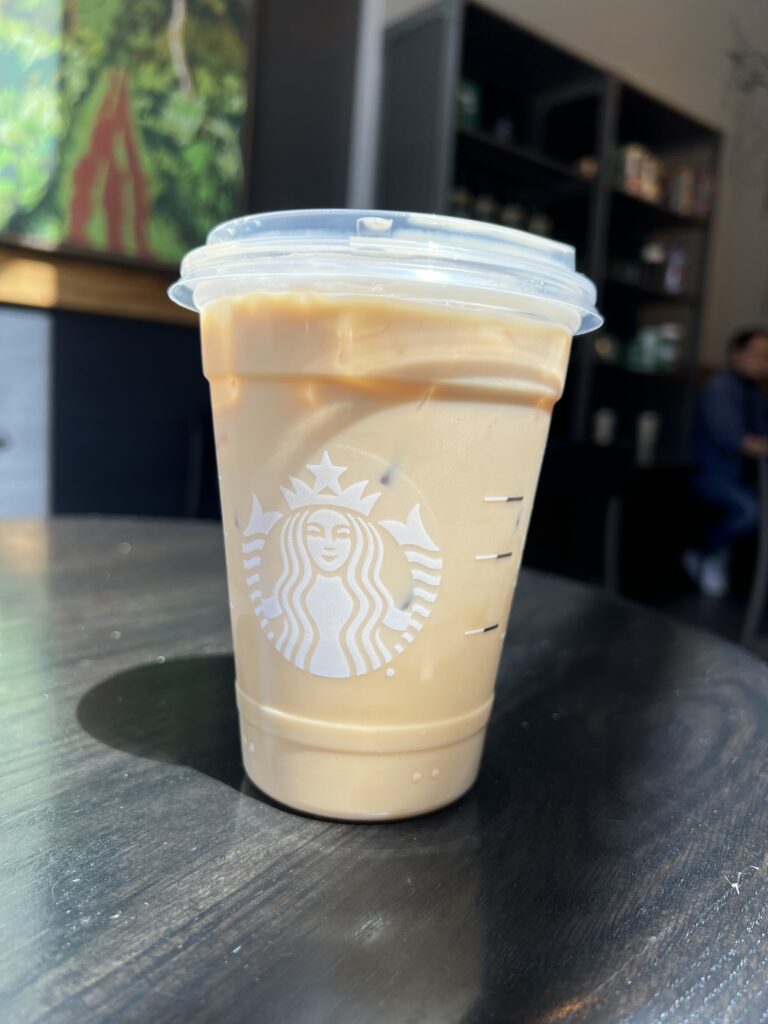
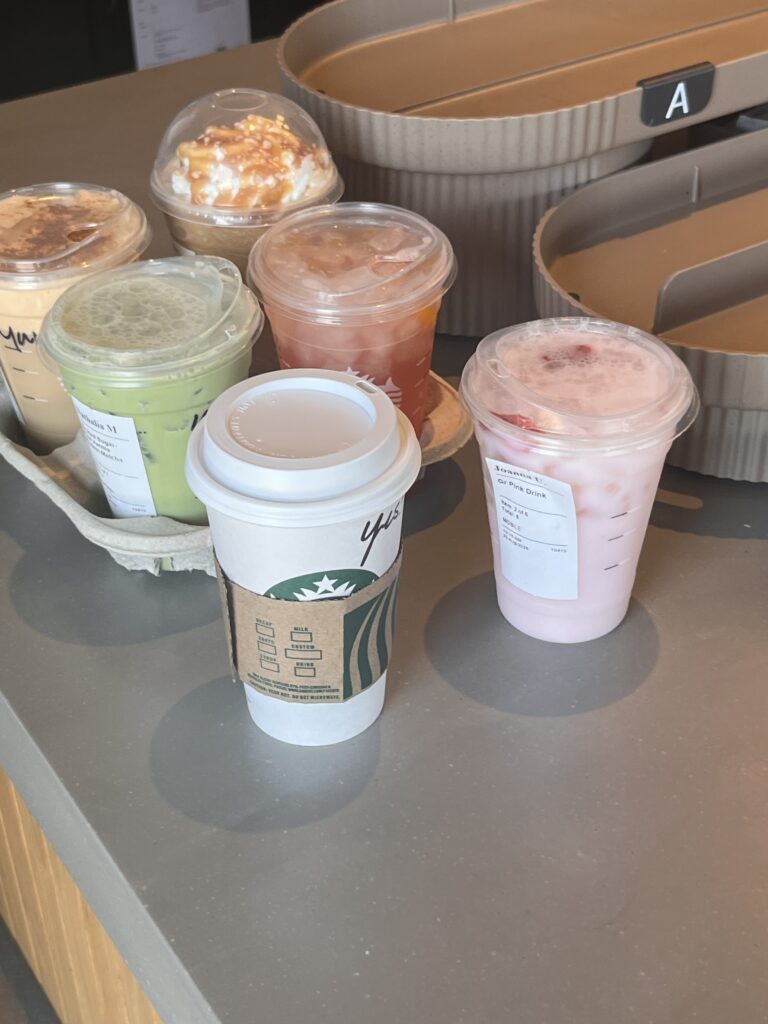
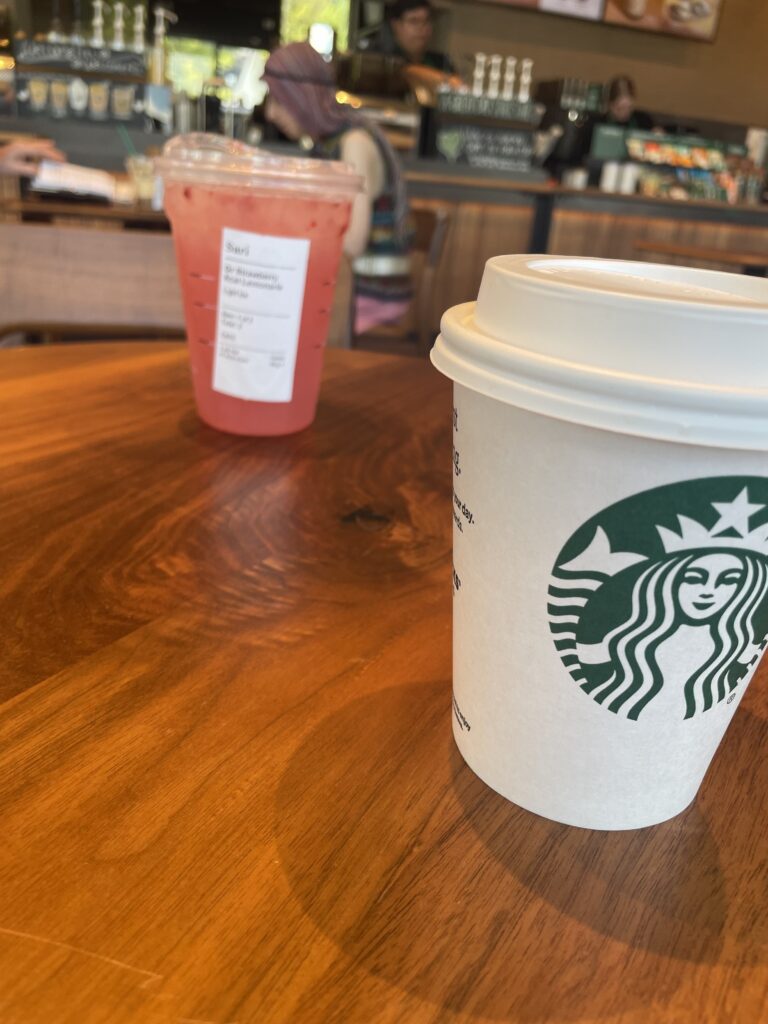
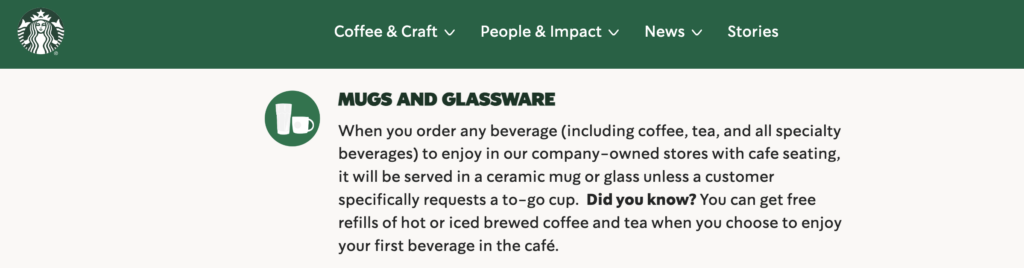
Starbucks claims that when you order your beverage in one of its cafes, it will be served in a reusable ceramic or glass mug unless you specifically request your order to go. However, a new survey led by Story of Stuff, spanning 151 Starbucks visits across 30 states, found that this practice is not being widely implemented. Seventy-seven percent of customers were not asked “for here or to go?”, while only 36% were able to get their drink in a reusable cup, often having to specifically request one from counter staff. While the survey is not a randomized national audit, it documents the gap between Starbucks’ stated policy and customer experiences.
The Policy
This policy is distinct from the company’s “bring your own” reusable cup policy, which allows customers to bring in their own cup. Rather, this policy suggests that in full-service cafes, Starbucks will default to the use of reusable cups for customers remaining on-site. Starbucks understands the nuance in their use of design choices and specifically states that all beverages sold in its full-service cafes will be served in reusables unless the customer requests the beverage ‘to go’.
Survey Findings
| Policy | Survey Result |
| Total customer interactions | 151 customers across 140+ Starbucks locations in 30 states in the USA |
| Customers not asked “for here or to go” | 116 of 151 — 77% |
| Customers received a reusable mug or glass. | 36% |
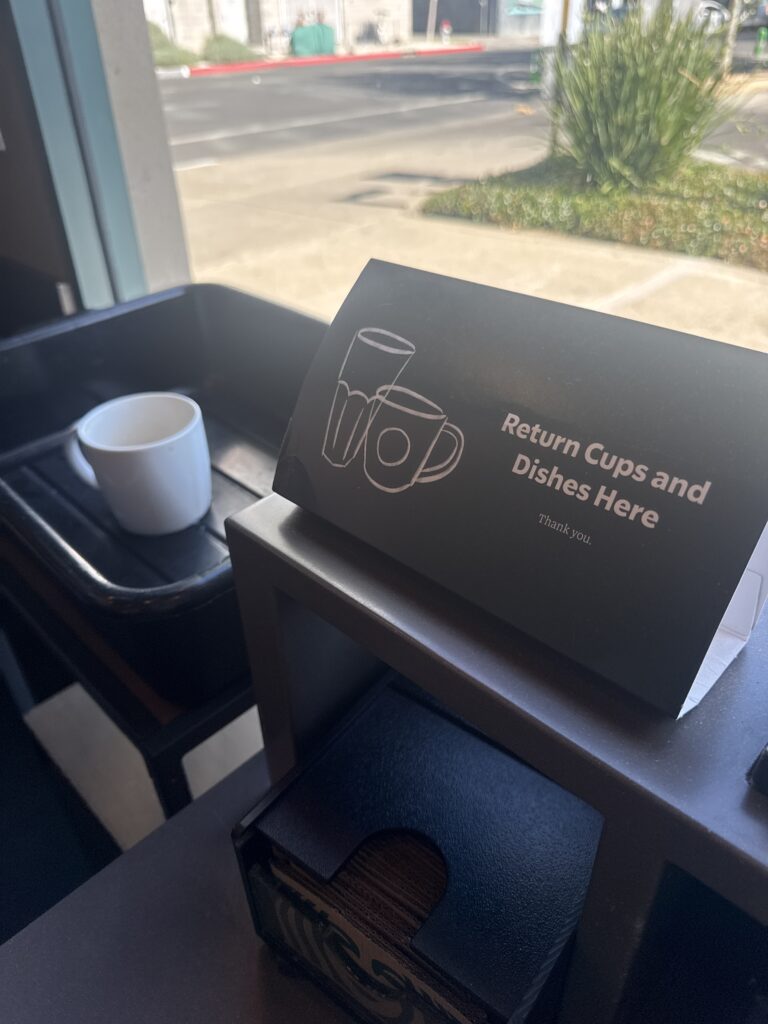
| Percent of customers that saw reusable-cup signage or information | 15% |
| Customers who saw no other diners with store-provided reusable ware | 76% of observations |
Customer Testimonies

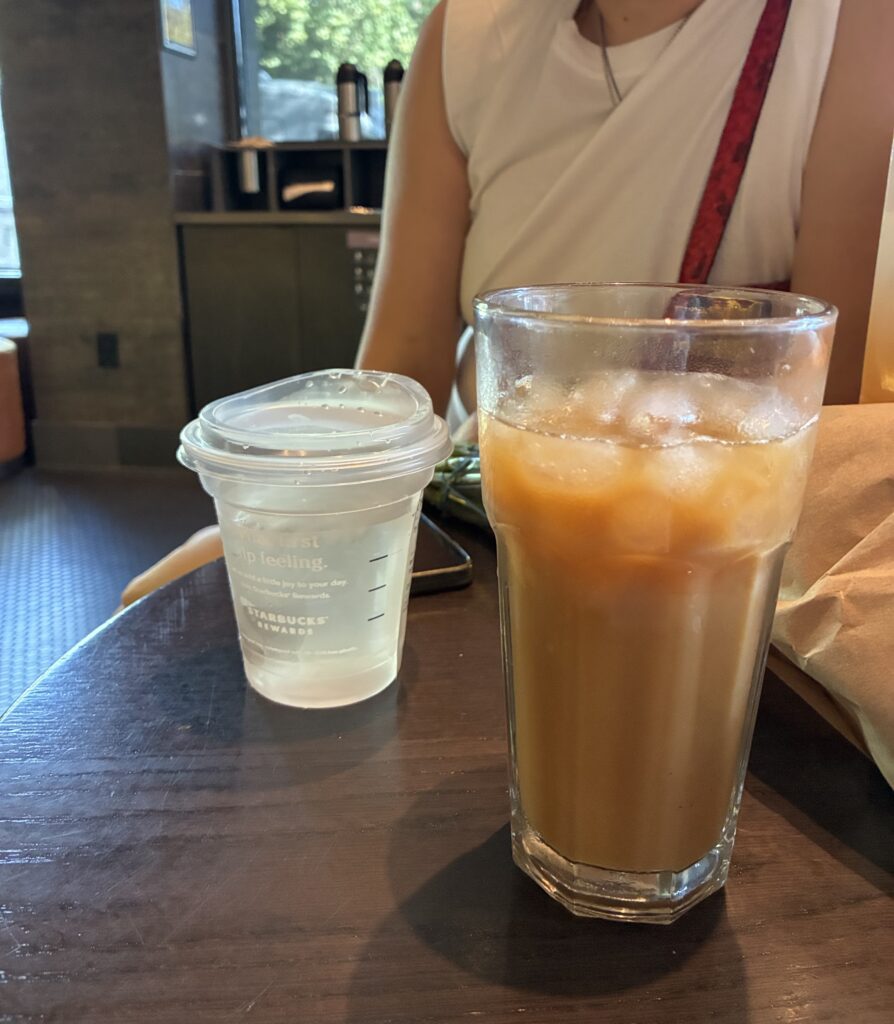
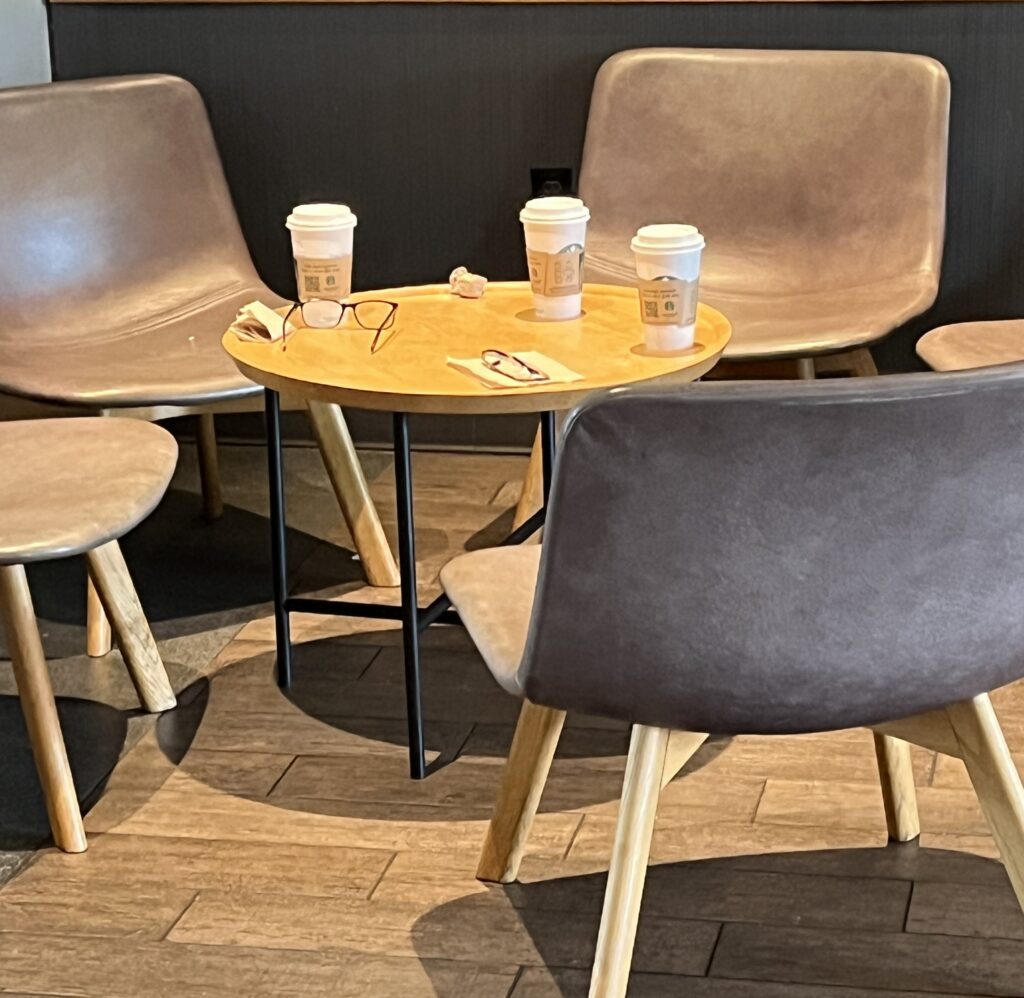
- I wish they would ask if you wanted a ceramic cup first before automatically giving you the plastic one. – Sebastian, Illinois
- I WISH I could have had a ceramic mug! – Sandee, Arizona
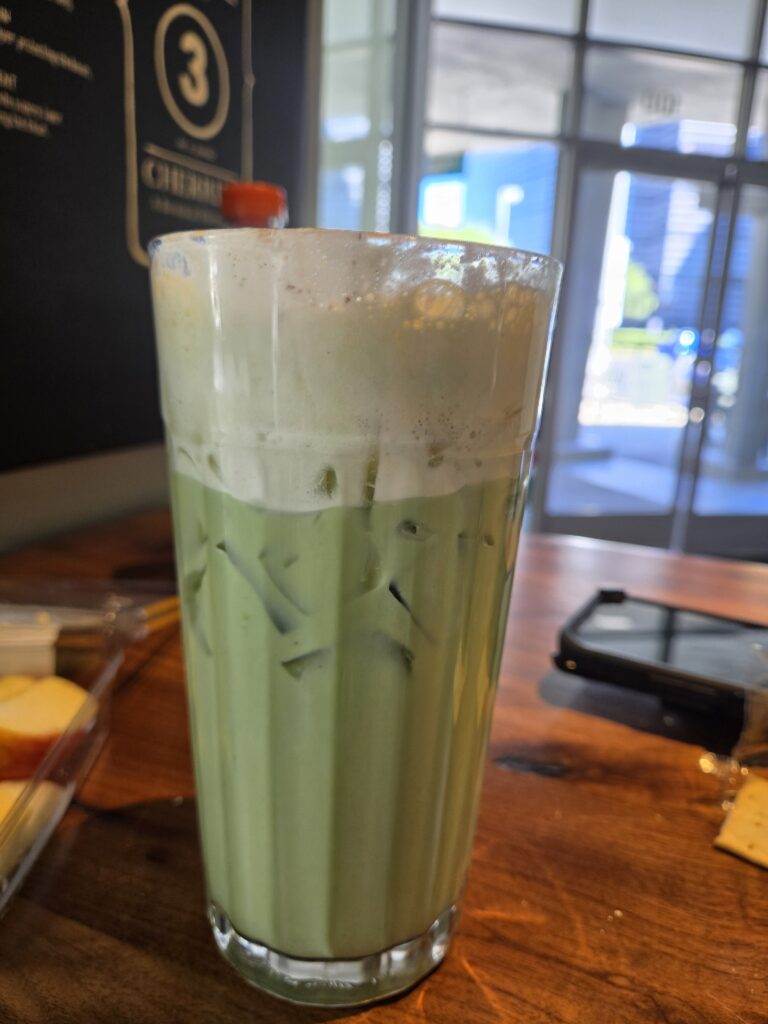
- We have always had to specifically ask for our drinks to be placed in a mug. The default is a plastic cup. – Anna
- I had asked for a ceramic cup because I was going to drink my coffee in the restaurant but I was given a disposable cup. – Micaela, California
Analysis & Recommendations
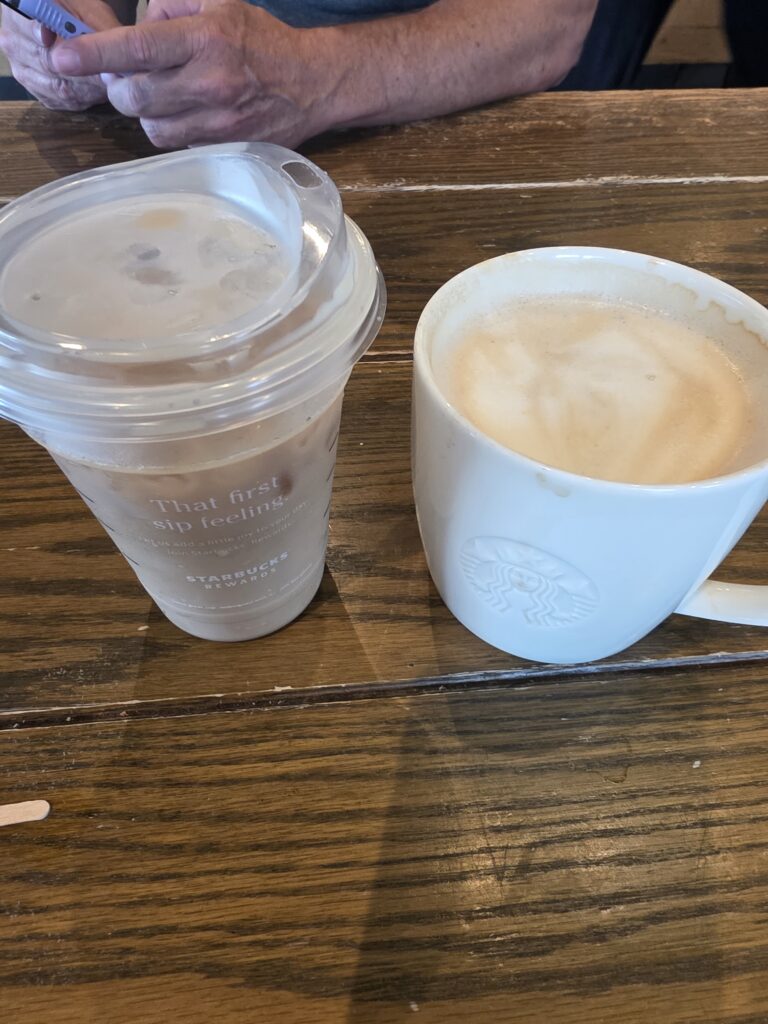
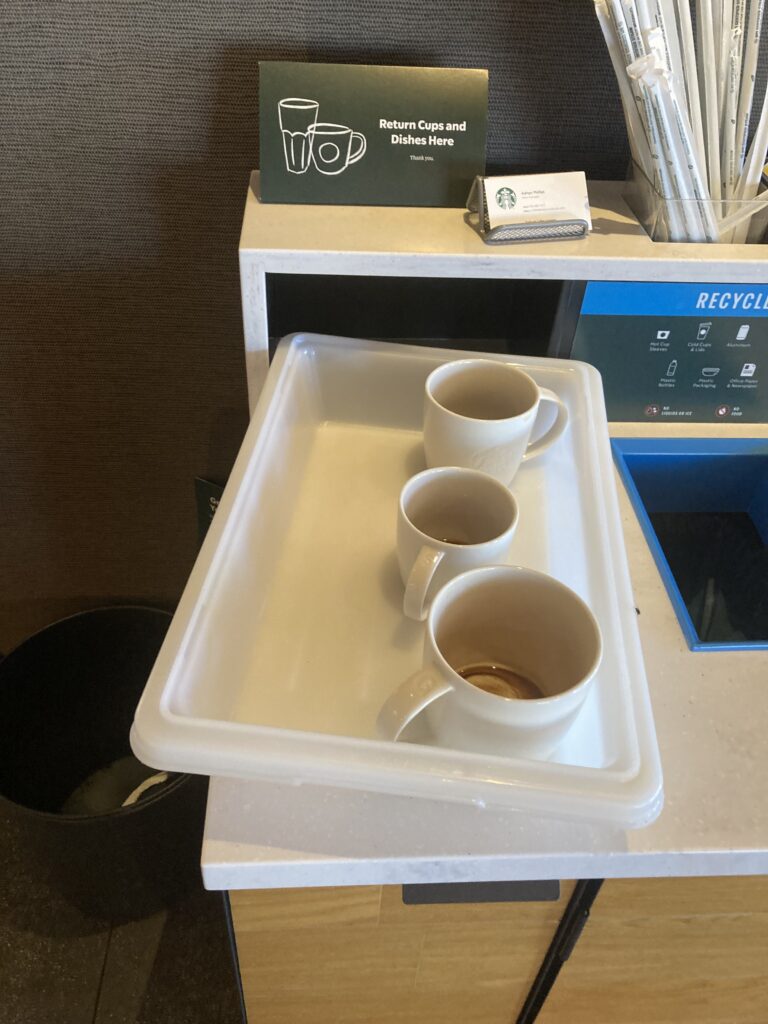
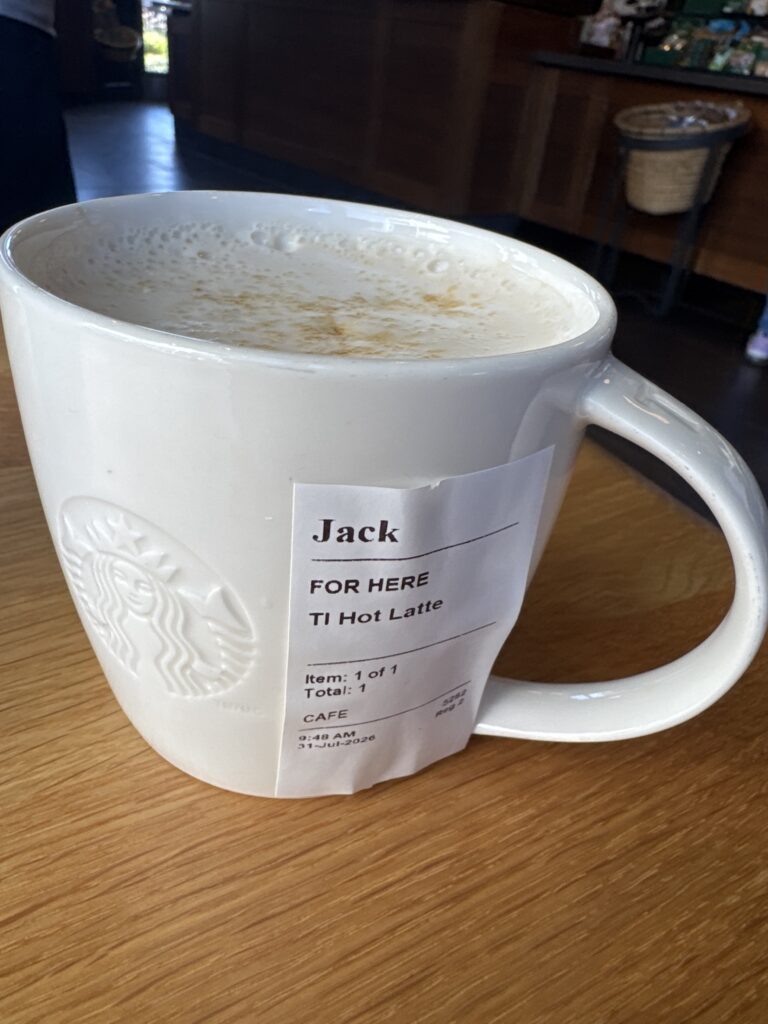
Starbucks has a clear set of policy guidelines stated on its A Better Cup for All webpage. This encapsulates its facilitation of ‘bring your own’ cups, its position defaulting to ‘reuse for on-site’, and limited returnable cups system. This survey, a real-world review of its ‘reuse for on-site’ policy conducted by 151 individuals, suggests the company is falling short on implementing its own policy. Moreover, this is not simply an issue with design and defaulting to disposable cups. The fact that only 36% of customers who specifically requested reusable cups for their for-here orders actually received them indicates an issue with capacity, resourcing and implementation of the policy. These points have been raised in statements made by Starbucks workers in their efforts to unionize.
Starbucks’ “A Better Cup for All” policy speaks to a commitment to engage in strong sustainability practices that support. However, the clear disparity between the stated policy and the implementation is highly problematic. Below is a list of changes Story of Stuff recommends that Starbucks implement to close that gap between its aspirational policy and the real-world experience in its cafes:
- Invest in the training and resources required to support baristas in fully operationalizing reusable dishes on-site, including increased staffing and dishwashing capacity.
- Proactively market and promote the role of reusables in waste reduction in order to create the conditions and norms for a transition to reusables. This includes both in-store signage for reuse perks like free refills and discounts for “BYO” as well as the kind of advertising effort put behind the company’s announcement of its so-called “widely recyclable” nature of its single-use plastic cups.
- Increase incentives for reuse. Raise the discount and promote the “BYO” discount for customers who bring their own cups.
- Learn, research and commit to reusable foodware in the to-go sector for the long term, for which there are already successful models around the world such as Club Zero, Muuse, Okapi, and Recup (see page ii).

Methods & Limits
This community-led, observational survey documented 151 customer interactions at more than 140 Starbucks locations across 30 U.S. states. Results describe reported experiences at the participating visits and are intended to assess consistency with Starbucks’ stated dine-in reuse policy. Because locations and participants were not selected through a randomized, nationally representative sampling method, the findings should not be interpreted as a precise estimate of performance across all U.S. Starbucks stores. Results may also be shaped by differences in timing, staff availability, and self-reported observations; nevertheless, the breadth of visits identifies a meaningful implementation gap warranting further systematic review.